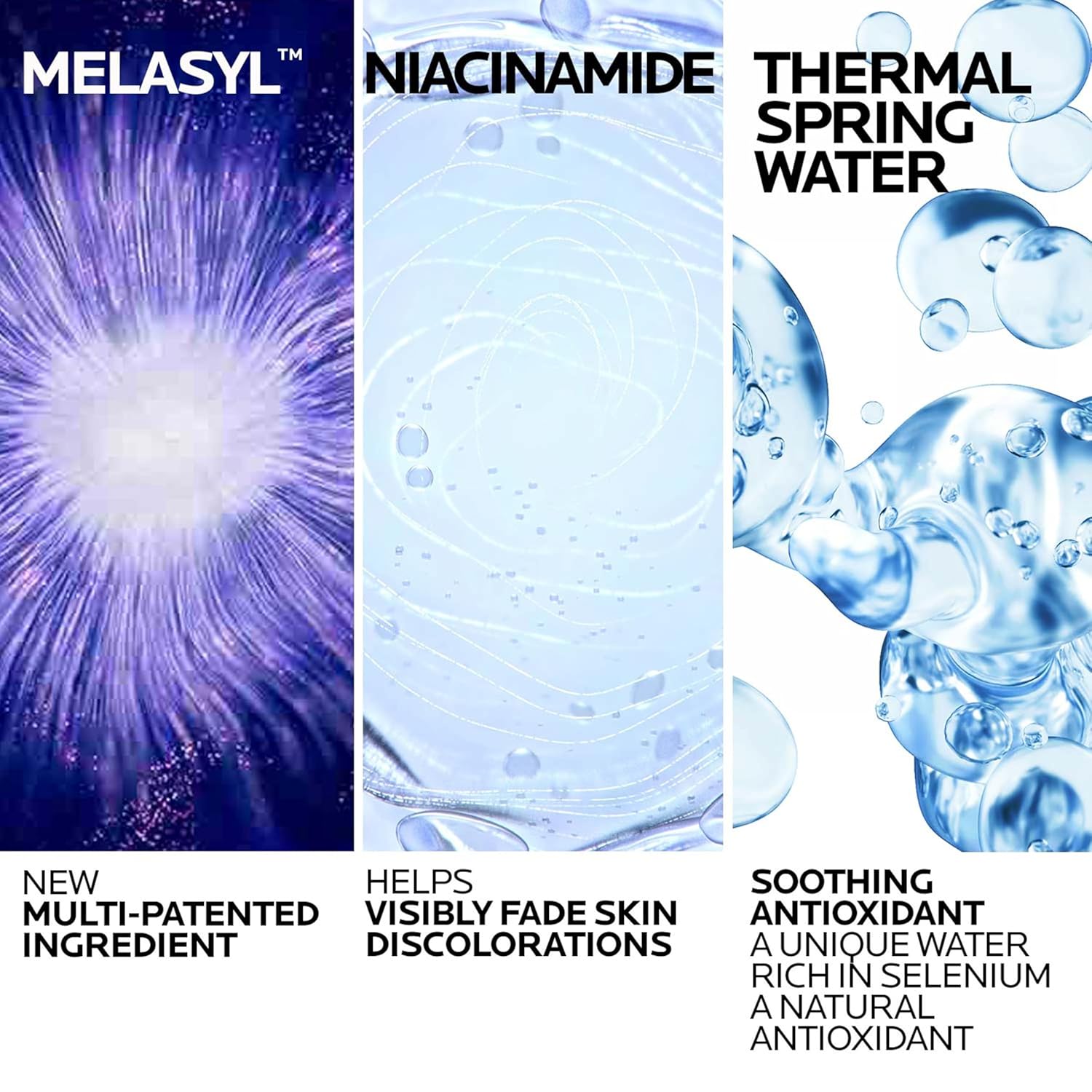
If you’ve been treating melasma — those stubborn brown or gray-brown patches that show up on the cheeks, upper lip, and forehead — you’ve probably already tried the usual suspects: vitamin C to brighten, retinol to accelerate cell turnover, maybe an AHA to resurface. And you’ve probably noticed that while those ingredients help with general dullness or sun spots, melasma has a frustrating habit of shrugging them off. That’s not a product failure. It’s biology. Melasma (a chronic pigmentation condition driven by a complex mix of UV exposure, hormones, and inflammation) operates through signaling pathways that most standard brighteners simply don’t touch. Tranexamic acid — originally developed as a medication to reduce bleeding — enters the picture as an ingredient that interrupts one of those pathways specifically. This guide breaks down how it works, what the evidence actually supports, how to stack it with what you’re already using, and how to pick a product tier that matches your goals.
Why Tranexamic Acid Hits Differently Than Vitamin C or Niacinamide
To understand why this ingredient matters for melasma in particular, it helps to know what’s actually happening in the skin. Melanocytes (the cells that produce pigment) don’t just turn on randomly — they respond to signals. In melasma, one of the key drivers is a molecule called plasmin, which activates keratinocytes (the surrounding skin cells) to release factors that stimulate melanocytes to overproduce pigment. UV exposure and hormonal fluctuations amplify this cycle.
Tranexamic acid — sometimes abbreviated TXA — works by blocking the plasminogen-to-plasmin conversion. Per a systematic review published via AAD.org in the Journal of the American Academy of Dermatology, this mechanism makes it distinctly different from antioxidant-based brighteners like vitamin C, which primarily quench the oxidative stress that triggers pigment production downstream. Niacinamide, another melasma staple, works even further downstream — it interrupts the transfer of pigment-containing melanosomes from melanocytes to keratinocytes but doesn’t address the initial stimulation signal. Tranexamic acid, by contrast, interferes earlier in the cascade.
That’s not a hierarchy — it’s a specialization. Think of it less like “TXA is stronger” and more like “TXA and vitamin C are working on different parts of the same problem.” Combining them is additive, not redundant.
What the Evidence Actually Supports (and at Which Concentrations)
The honest clinical picture here is layered. Let’s separate out the forms, because they don’t all carry the same evidence weight.
Oral tranexamic acid has the most robust trial data for melasma. NCBI-indexed studies consistently show meaningful reduction in MASI scores (Melasma Area and Severity Index — a standardized scale dermatologists use to measure pigmentation) at doses of 250 mg twice daily over 8–16 weeks. The mechanism is systemic: it reduces circulating plasmin activity across the skin. The tradeoff is medical supervision — oral TXA is a prescription medication with contraindications (particularly relevant for anyone with clotting history or cardiovascular risk factors), and it’s not an OTC skincare play. This matters for the practitioner audience: if a client is describing melasma that isn’t responding to topical actives, oral TXA used under dermatologist supervision is a real next step to flag, not an alternative they’ll find at Sephora.
Topical tranexamic acid is where the OTC and clinical skincare market has concentrated its formulations. The evidence is genuinely promising but more variable. Healthline’s overview of the ingredient notes that concentrations in the 2–5% range appear most effective in published studies, with lower concentrations (the 0.5–2% range common in many commercial serums) showing benefit but more modest effect sizes. Byrdie’s reporting on dermatologist perspectives echoes this: topical TXA at meaningful concentrations can visibly reduce melasma pigmentation, but the timeline is measured in months, not weeks — realistic expectations are 8–12 weeks minimum for noticeable change, 16–24 weeks for substantial results.
By the numbers — topical TXA evidence snapshot:
- Effective concentration range: 2–5% (most published studies)
- Typical onset for visible improvement: 8–12 weeks
- MASI score reductions reported in trials: 30–50% at 12 weeks (topical, 3–5% formulations)
- Oral dosing in clinical studies: 250 mg twice daily (Rx only, physician-supervised)
How to Stack It: The Layering Decision Most People Get Wrong
Because tranexamic acid works through a different mechanism than vitamin C, retinol, or AHAs, it doesn’t compete with them the way those actives sometimes compete with each other. The layering math is relatively forgiving — but there are still decisions to make.
With vitamin C: No conflict. Paula’s Choice Expert Advice specifically notes that tranexamic acid combines well with antioxidants and that the combination targets melasma more comprehensively than either alone. Apply vitamin C first (it’s typically lower pH), follow with TXA serum. If you’re using a high-concentration vitamin C like SkinCeuticals C E Ferulic (~$182), which is optimized for a specific pH environment, give it 10–15 minutes before layering anything else — not because TXA will destabilize it, but because pH-optimized vitamin C performs best when absorbed before the skin surface normalizes.
With niacinamide: Historically, there was debate about mixing vitamin C and niacinamide (largely overstated — per Allure’s ingredient compatibility coverage, the “they cancel each other out” concern has been largely debunked at cosmetic use concentrations). Niacinamide and TXA have no known antagonistic interactions and are frequently combined in the same formula by brands. No sequencing concern here.
With AHAs/retinol: This is where you make a judgment call based on your skin’s tolerance. AHAs and retinol both increase cell turnover, which can enhance penetration of actives applied afterward — a good thing in theory, but also a potential irritation multiplier if your barrier is already compromised. If you’re running a full brightening stack (vitamin C AM, retinol PM, AHA 2–3x/week), add TXA to your AM routine rather than your PM routine to keep evening irritation potential lower. Tranexamic acid is generally well-tolerated even on sensitized skin — it doesn’t exfoliate and doesn’t produce the barrier disruption risk that retinol or acids carry — but stacking actives in the same session always warrants monitoring.
The one real caution: Sun protection isn’t optional when treating melasma with any active, and it’s especially non-negotiable with TXA. You’re interrupting a pigment-signaling cascade that UV will immediately restart if the skin is unprotected. Per NCBI literature on melasma management, UV protection is considered the most critical co-intervention in any melasma treatment protocol — without it, topical actives at any price point produce suboptimal and poorly sustained results.
Choosing a Product Tier: Where Concentration and Packaging Actually Matter
The market for topical TXA has expanded significantly — it now appears in products across every price bracket. But there are real differences worth understanding before you allocate budget.
Entry tier (~$10–$30): Several accessible brands now include tranexamic acid in serums and toners, but label transparency is inconsistent. INCI (ingredient list) placement can give you a rough sense of concentration — if “tranexamic acid” appears deep in the list after fragrance or preservatives, you’re likely in sub-1% territory, which may produce mild brightening but is below the evidence-supported range for melasma specifically. For someone starting out or layering TXA as a supporting player in a broader routine, this tier is reasonable as a test, particularly if you’re gauging your skin’s tolerance.
Mid tier (~$40–$90): This is where you start seeing formulations that declare concentration (2–5% TXA is increasingly common at this price point) and pair it with complementary ingredients — kojic acid, niacinamide, alpha-arbutin. Packaging matters here: tranexamic acid is more stable than vitamin C but still benefits from opaque, airless-pump packaging over dropper-top glass exposed to repeated air contact. Reviewers across Byrdie and Allure’s coverage of this category consistently flag formulas in this tier as the practical sweet spot for intermediate routines — enough active load to produce real change, without the clinical-prescription complexity of oral TXA.
Clinical and premium tier (~$100–$200+): At this price point, you’re often paying for concentration precision, delivery system optimization (liposomal encapsulation, for example, can enhance dermal penetration of TXA), and formulation context — meaning TXA paired with proven co-actives at concentrations that have themselves been clinically studied. For dermatologist-guided buyers or aestheticians recommending treatment-grade protocols, brands operating in the Obagi, SkinBetter Science, and similar clinical-channel tiers offer the documentation to support those claims. This is also where physician-dispensed formulations (including compounded combinations of TXA with hydroquinone or kojic acid) live — outside the OTC market entirely but relevant for the practitioner context.
The Decision Rule: If X, Then Y
If you’re treating general skin dullness or mild sun spots and melasma is a secondary concern: tranexamic acid is useful but not urgent. Your vitamin C and niacinamide stack is already doing meaningful work. Adding a mid-tier TXA serum is low-risk and likely additive — reasonable to layer in if the budget allows.
If melasma is your primary, persistent concern and topical actives alone haven’t produced satisfying results after 16+ weeks: the conversation shifts toward whether oral tranexamic acid (physician-supervised) is appropriate. No OTC serum, regardless of price tier, will replicate the systemic mechanism of oral TXA in a hormone-driven melasma case. The best topical products are adjuncts, not equivalents.
If you’re an aesthetician or skincare professional evaluating options to recommend to clients: the concentration and packaging transparency questions are your filtering criteria. A formula that doesn’t disclose TXA percentage, ships in a clear glass dropper, and lists the active near the bottom of the INCI is a different product than a 3% TXA formula in an airless pump from a clinical brand — even if both market themselves identically. Help your clients read the label, not just the marketing.
Tranexamic acid earns its place in a melasma routine not because it’s more powerful than everything else, but because it’s working on a part of the problem that everything else isn’t. That’s the distinction worth holding onto — and the one that makes the stacking decisions make sense.