You’ve been layering a vitamin C serum every morning for three months, and your dark spots are… exactly where you left them. Maybe a little faded. Maybe not at all. Before you write off the ingredient — or worse, spend another $80 on something you saw trending — it’s worth pausing on a question most brightening guides skip: what kind of dark spot are you actually treating?
Hyperpigmentation is a catch-all word for any patch of skin that looks darker than the surrounding area. It happens when cells called melanocytes overproduce melanin — the pigment that gives skin its color. But the trigger behind that overproduction matters enormously, because different triggers respond to different ingredients. Picking your actives without knowing your pigment type is like treating a tension headache with a decongestant — the product category isn’t wrong, but the match is off. This guide will help you identify your type, understand why certain ingredients work for it (and not others), and build a decision framework you can actually use when you’re standing in front of a shelf or comparing formulas online.
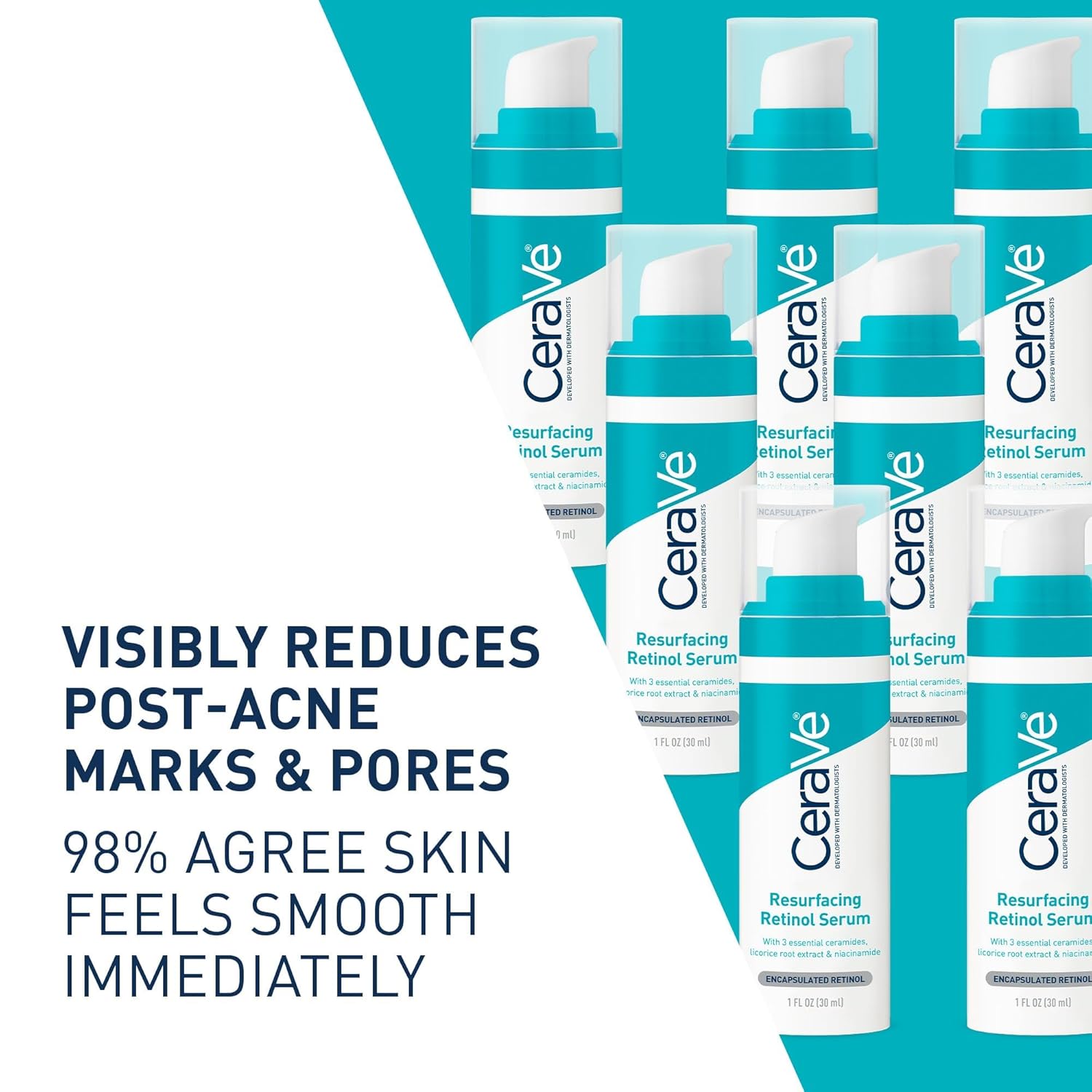
| EDITOR'S PICK[La Roche-Posay Mela B3 Serum](https://www.amazon.com/dp/B0CM4B43DZ?tag=greenflower20-20) | Mid-tier[CeraVe Resurfacing Retinol Seru…](https://www.amazon.com/dp/B07VWSN95S?tag=greenflower20-20) | Budget pick[The Ordinary Azelaic Acid Suspe…](https://www.amazon.com/dp/B0DNN8Z1PD?tag=greenflower20-20) | |
|---|---|---|---|
| Key active | Melasyl + 10% Niacinamide | Retinol + Niacinamide + Licorice Root | Azelaic Acid 10% |
| Target marks | Sun spots, age spots, acne marks | Post-acne marks | Blemishes, uneven tone |
| Size | 1 fl oz | — | 1 fl oz |
| Retinol included | ✗ | ✓ | ✗ |
| Niacinamide % | 10% | — | — |
| Price | $44.99 | $17.59 | $12.20 |
| See on Amazon → | See on Amazon → | See on Amazon → |
The Three Pigmentation Types You’re Most Likely Dealing With
Most dark spots on adults fall into one of three categories. A dermatologist can confirm with a Wood’s lamp or dermoscopy, but you can narrow your working hypothesis from context and visual cues alone.
1. Post-Inflammatory Hyperpigmentation (PIH)
PIH is the discoloration that lingers after your skin heals from something — a breakout, a bug bite, a minor burn, an aggressive peel. It is not a scar (the skin texture is typically smooth), but it is deposited deeper than surface-level, especially in medium-to-deep skin tones where inflammatory responses tend to produce more melanin, per Healthline’s overview of post-inflammatory hyperpigmentation.
Visual tell: Discrete, flat patches that map directly to a past breakout or injury site. Color ranges from pink-red on lighter skin to brown or near-black on deeper tones.
What drives it: Inflammation triggers melanocytes to go into overdrive. The spots are essentially a protective response that outlasted its usefulness.
2. Melasma
Melasma is hormonal and chronic. It produces larger, diffuse, often symmetrical patches — typically across the cheeks, upper lip, forehead, and chin — and it has a well-earned reputation for being stubborn. The American Academy of Dermatology’s melasma treatment overview notes that UV exposure, hormonal fluctuations (pregnancy, oral contraceptives, hormone therapy), and genetic predisposition are the main drivers. The reason it resists simple brightening is that melasma can involve both epidermal (surface-layer) and dermal (deeper-layer) melanin deposition, and dermal pigment is significantly harder to address topically.
Visual tell: Symmetrical, feathered-edge patches. Often worsens in summer and improves slightly in winter.
What drives it: A combination of hormonal signaling and UV activation that essentially instructs melanocytes to produce more pigment continuously.
3. Solar Lentigines (Sunspots / Age Spots)
These are the small, sharply defined flat spots caused by cumulative UV exposure over years. They are more common on sun-exposed areas — hands, face, décolleté, shoulders — and increase in prevalence with age. Unlike melasma, they are not hormonally driven, which generally makes them more responsive to topical brightening alone.
Visual tell: Well-defined edges, relatively uniform brown color, concentrated on historically sun-exposed skin.
What drives it: Cumulative UV damage that permanently upregulates melanin production in localized clusters of cells.
The Ingredient-to-Type Decision Matrix
This is where the investment either pays off or leaks. The brightening ingredient market is crowded, and almost every formula claims broad efficacy. Here’s an honest breakdown of what the evidence actually supports, by type.
Vitamin C (L-Ascorbic Acid and Derivatives)
Best for: Solar lentigines, mild PIH, daily photoprotection support
Why: Vitamin C inhibits the enzyme tyrosinase, which is a key step in melanin synthesis. It also has antioxidant activity that neutralizes the UV-triggered free radicals that kick off pigment production in the first place. Paula’s Choice’s expert advisory content on vitamin C notes that L-ascorbic acid at concentrations of 10–20% shows consistent brightening activity in clinical literature.
The stability caveat: This is load-bearing. L-ascorbic acid oxidizes on contact with air, light, and heat — which is why packaging is not a cosmetic detail, it’s a formulation decision. An airless pump or sealed ampule format meaningfully extends active potency versus a dropper bottle left open on a bathroom shelf. When evaluating formulas, check for a pH below 3.5 (necessary for absorption), packaging that limits air exposure, and whether the product contains a stabilizing partner like ferulic acid or vitamin E. SkinCeuticals C E Ferulic (~$182) is the most-cited benchmark for this combination; its 15% L-ascorbic acid, ferulic acid, and vitamin E system is extensively referenced in dermatology literature, per Byrdie’s dermatologist-sourced roundup of brightening serums.
The tradeoff: Vitamin C is not well-matched to melasma monotherapy. It can help at the margins, but it doesn’t interrupt the hormonal signaling loop that drives melasma recurrence. Using it as your only melasma tool is a timeline mistake.
Niacinamide (Vitamin B3)
Best for: PIH, early melasma, general tone-evening — especially useful for reactive or sensitive skin types
Why: Niacinamide doesn’t block melanin synthesis directly. Instead, it inhibits the transfer of melanin-containing packages (called melanosomes) from melanocytes to surrounding skin cells. It’s a downstream intervention, which makes it gentler but also somewhat slower. Allure’s comparative breakdown of niacinamide vs. vitamin C notes that niacinamide is particularly well-tolerated in formulas targeting darker skin tones where irritation risk is a bigger concern — because irritation itself triggers PIH, creating a feedback loop you want to avoid.
The tradeoff: Niacinamide is often oversold as a vitamin C alternative. It isn’t, quite. It plays a different position in the pathway. It is, however, uniquely compatible with sensitive or barrier-compromised skin, and it stacks cleanly with most other actives. CeraVe Resurfacing Retinol Serum (~$20) includes niacinamide alongside retinol for exactly this reason — the niacinamide supports barrier function while the retinol accelerates cell turnover.
Tranexamic Acid
Best for: Melasma — this is its primary evidence base
Why: Tranexamic acid works by a completely different mechanism than tyrosinase inhibitors. It blocks the interaction between keratinocytes (skin cells) and melanocytes that UV radiation triggers, essentially interrupting the communication pathway that tells melanocytes to produce more pigment. A clinical evidence review indexed on NCBI found that topical tranexamic acid at 2–5% concentrations demonstrated significant melasma improvement in multiple randomized controlled trials, with a favorable safety profile.
The tradeoff: Because tranexamic acid targets a UV-triggered signaling pathway, it is most effective in combination with rigorous sun protection. Without SPF 30+ applied daily, you’re swimming upstream. It’s also less established as a treatment for PIH than for melasma — which makes it a precise tool for a specific job, not a universal brightener.
Retinoids (Retinol, Retinal, Tretinoin)
Best for: PIH, solar lentigines, and as a support ingredient for melasma (not a primary treatment)
Why: Retinoids accelerate skin cell turnover, which means pigmented cells at the surface cycle off faster. They also have some direct effect on melanin distribution. The practical result is that they enhance the efficacy of other brightening actives and improve overall texture. Tretinoin (prescription-grade) has the deepest evidence base; over-the-counter retinol and retinal require more patience but deliver similar endpoints at longer timelines.
The tradeoff: Retinoids are well-documented initiators of PIH in deeper skin tones if introduced too aggressively — the irritation-inflammation-pigmentation loop again. The dose-and-frequency discipline matters more than the formula alone.
By the Numbers
| Pigmentation Type | First-Line Ingredient | Realistic Visible Improvement |
|---|---|---|
| PIH (mild–moderate) | Niacinamide + retinoid | 8–16 weeks |
| Melasma | Tranexamic acid + SPF | 12–24 weeks (recurrence risk persists) |
| Solar lentigines | Vitamin C (stabilized) + SPF | 10–20 weeks |
| Mixed / unclear | Dermatologist assessment + Wood’s lamp | Before any investment commitment |
Timeline estimates draw from AAD treatment guidelines and clinical trial data cited in NCBI-indexed literature.
The SPF Variable Most Formulas Don’t Emphasize Enough
Every ingredient above has a ceiling defined by sun protection compliance. Melanocytes that are actively being stimulated by UV exposure every day will outpace any topical treatment. This isn’t a footnote — it’s the primary variable determining whether a $180 serum works or doesn’t. Broad-spectrum SPF 30+ applied every morning (and reapplied if you’re outdoors) is the single intervention that makes every other line item in your routine more effective. Formulas don’t always lead with this because it doesn’t sell product. But the evidence is unambiguous.
The Decision Rule
If you’ve been using a brightening product for 12+ weeks without measurable improvement, the most likely explanation is not that brightening is impossible — it’s that you’re using the right category of product for the wrong pigmentation type, or you’re missing the sun protection variable.
Here’s the simplified if/then:
- If your spots map to past breakouts and your skin is reactive → start with niacinamide + retinoid at low frequency, SPF daily, no strong acids until barrier is stable.
- If your spots are symmetrical, hormonally timed, or worsen in summer → tranexamic acid is your primary active; vitamin C is a useful support, not the lead.
- If your spots are on chronically sun-exposed areas with sharp edges and uniform color → a well-formulated, stabilized vitamin C (with ferulic acid, airless pump) paired with daily SPF is your most evidence-supported starting point.
- If you’re genuinely unsure, or you have medium-to-deep skin tone with mixed presentation → a dermatologist visit before a significant formula investment is the highest-ROI move you can make. The AAD’s physician locator tool lists board-certified dermatologists by zip code.
Matching ingredient to pigment type doesn’t require a clinic — but it does require being honest about what you’re looking at. Most brightening frustration traces back to this single diagnostic step being skipped.